Fix a Merchant Center Price Mismatch in WooCommerce
Trace a Google Merchant Center price mismatch from the submitted WooCommerce offer to its variation, currency, landing page, and checkout.

If you want AI shopping tools to understand your WooCommerce products, begin with the information a careful customer would need. Give each item a clear name, useful specifications, accurate variations and current stock. Make delivery and returns easy to find. Then check that your product feed and structured data describe the same offer.
Consider a shopper looking for a small ceramic mug as a gift. “Beautiful premium mug” tells them very little. They still need to know its capacity, material, dimensions, whether it comes in a box and when it can arrive. Those are useful details for a person comparing products, and they give automated systems something concrete to work with.
WooCommerce is actively discussing agentic commerce: AI taking part in finding and buying products. That makes this a useful area to prepare for. It does not mean every store has an AI checkout today, or that adding a plugin will make an assistant recommend your catalogue.
Cover image: an AI-generated editorial illustration of a product-information workspace, not a client store or a photographed Flowzync project.
A product appearing in a recommendation and an order being completed are separate events. A store can have understandable product pages while still needing an integration for a particular shopping channel.
At the time of research on 2 November 2026, WooCommerce's agentic commerce hub labels its UCP and ACP integrations as coming soon. Treat that status as a reason to check the current documentation, rather than promise a capability your payment setup may not support.
There is useful work to do without waiting for a new channel. Clean product information improves the page you already have. For the purchase journey itself, see our separate WooCommerce Black Friday checkout checklist.
Pick a product that matters to the business. Avoid starting with the entire catalogue; one complete example makes it easier to agree on a standard.
Read the page without relying on what you know from handling the product. Can you explain what is included, who it suits and which option is selected? If the answers require checking a supplier spreadsheet or asking the owner, the page has a gap.
For a mug, the audit might look like this. These are illustrative examples, not claims about a real product.
| Vague information | A more useful approach |
|---|---|
| “Premium everyday mug” | State the material, capacity and finish, once verified |
| “Available in several colours” | Name the selectable colours and show the matching photographs |
| “Perfect gift” | Explain whether gift packaging is included or sold separately |
| “Fast delivery” | Give the actual dispatch estimate and where delivery terms can be checked |
| “Easy to clean” | State the verified care instructions and any restrictions |
Do not fill those gaps by guessing. If the supplier has not confirmed dishwasher suitability, leave that claim out until it is checked. An attractive description can still create a support problem when it promises something the product cannot do.
A useful description normally needs a short introduction and a compact set of facts. It does not need every available keyword repeated across several paragraphs.
Write the introduction around the product's intended use and what distinguishes it. Put measurements, materials, compatibility and care information where readers can scan them. Include limitations that genuinely affect a buying decision.
For example, a replacement part may need an exact model reference. A piece of furniture may need assembled dimensions and access requirements. Clothing needs variation-specific sizing information. The relevant details change with the item, so do not force every product into the same generic paragraph.
A simple editorial test helps: if you removed the product name, could the description apply to nearly anything else in the shop? If so, it probably needs more specific information.
A lifestyle image can establish context, but it rarely answers every practical question. Review the image set against the decisions a buyer has to make.
For a physical product, consider a clear overall view, a useful detail and a truthful indication of scale. Where variations differ visually, check that the selected option displays the correct item. Avoid showing accessories in a way that implies they are included when they are not.
Use actual product photography for selling pages whenever possible. A generated image can be useful as an editorial illustration, but it should not invent a finish, size, feature or accessory for something customers will receive.
This is also why a repeated branded graphic is a poor substitute for product imagery: the image should help explain the subject, rather than merely decorate the page.
Product information can disagree across systems. The website may show an updated price while an external feed still contains the previous offer. A variation can be available in one place and unavailable in another.
Google's Merchant Center specification explicitly warns about missing information, incorrect variation attributes and conflicting website/source data. Its requirements are channel-specific; use the current specification to determine which fields apply to your products.
For a practical review, keep a small worksheet with the product URL, selected variation, price and currency, availability, image and time checked. Compare the customer-facing page with the submitted record. If a mismatch appears, identify where the value originates before changing several systems independently.
Give someone ownership of that correction. Otherwise the next synchronisation may overwrite the fix. Keep identifiers accurate too: do not invent a manufacturer identifier simply to make an incomplete field look complete.
Google documents different product search features and support for product variants. Correct markup can help communicate information such as price and availability, but eligibility is not a promise that a particular result will appear.
Ask your developer to inspect the markup already produced by the store, theme and extensions before adding another schema plugin. The goal is a clear, accurate representation of the offer, not a larger quantity of markup.
Validate a representative page, including a product with variations. Compare the reported offer with what a visitor sees after choosing an option. A technically valid result still needs this factual check.
Our guide to schema markup explains the broader principle: markup should describe the content, not supply facts missing from it.
Choose a small group of important products and complete the review before expanding it. A useful handover record contains:
Once the standard is clear, use it for the next group of products. Review customer questions as well. If several people ask whether an item fits a particular use, that may be a content gap worth answering on the page.
Keep measurement realistic. Record feed issues, relevant search traffic and customer enquiries, alongside completed orders. An isolated AI answer is an observation, not a reliable ranking position or proof that the work caused a sale.
If product information is difficult to manage, the underlying store may need attention as well as the wording. Flowzync's WooCommerce development services cover store development and improvement, while maintenance and support can help with ongoing technical care.
Send the team a product URL and describe the information or buying step that is unclear. That is a more useful starting point than requesting an undefined “AI-ready store”.
Researched on 2 November 2026. Platform status and product-data guidance were checked against the official sources below. The mug example, audit worksheet and review sequence are Flowzync's editorial recommendations, not a reported client case study. No search-volume figure, AI placement or revenue improvement is claimed.
Start with accurate product information: descriptive names, useful specifications, correct variations, current prices and stock, and clear delivery and returns information. Check that the page and any product feed agree.
No. Structured data can help systems understand product information and can support eligibility for Google product search features. It does not guarantee a recommendation, a rich result or a sale.
No. Availability depends on the integration and channel. On 2 November 2026, WooCommerce's agentic commerce hub labels its UCP and ACP integrations as coming soon. Confirm current availability before promising the feature.
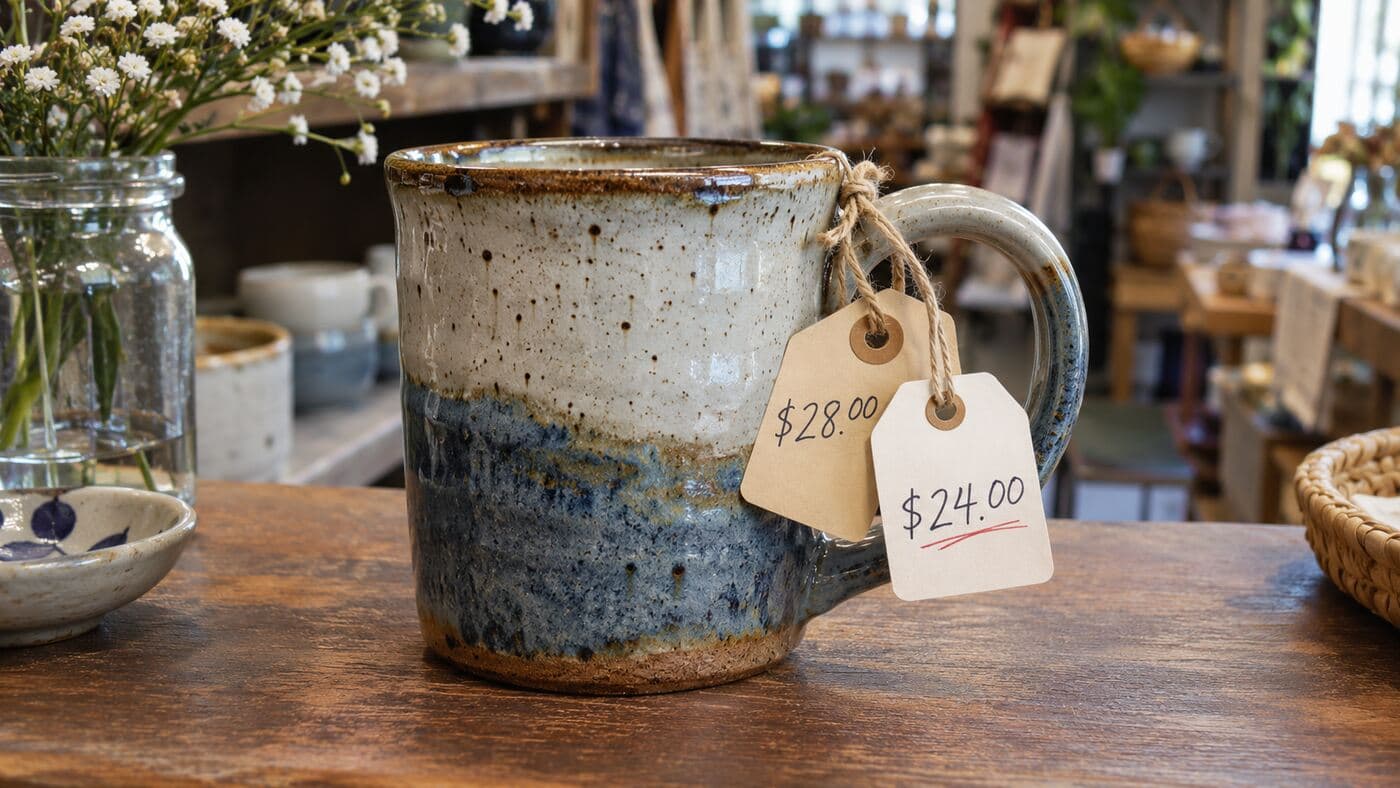
Trace a Google Merchant Center price mismatch from the submitted WooCommerce offer to its variation, currency, landing page, and checkout.

Run a practical WooCommerce coupon test for sale items, minimum spend, stacking, and shipping before sending customers to checkout.
Prepare your WooCommerce store for Black Friday 2026. Test mobile checkout, payments, coupons, stock and tracking before sending more visitors to your sale.
Everything we write about, we build daily. Book a free call and let's apply it to your project.
Tell us about your project